
Words Matter! But Understanding Matters More!! Why Gender Equality Requires More Than Translation!!!
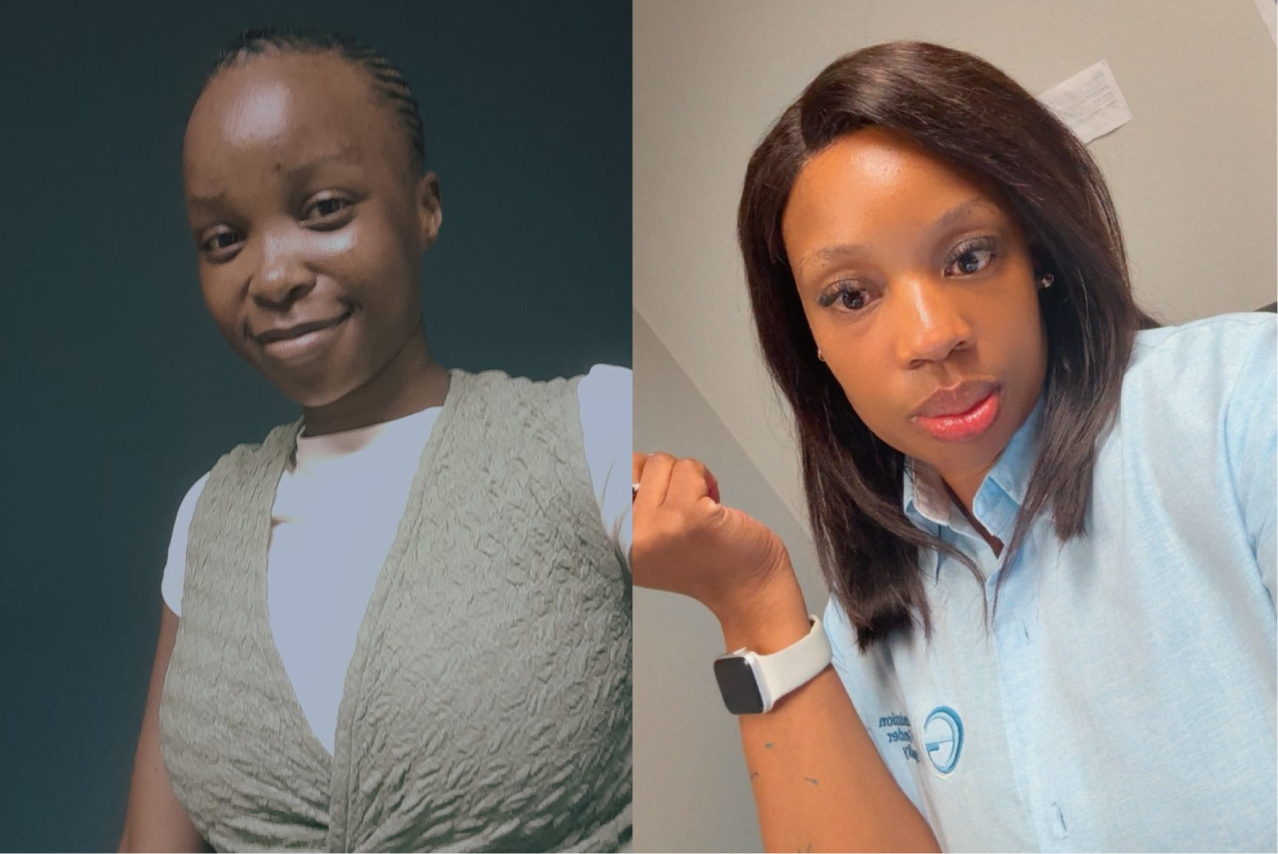
Written by: Bongiwe Mwale (PEI Intern) and Koketso Sekhu (PEI Officer), Gauteng Office
South Africa has made significant progress in translating gender-related terminology into indigenous languages. Through initiatives such as the Commission for Gender Equality’s (CGE) Gender Terminology Project, important concepts relating to gender equality, gender discrimination, gender-based violence (GBV) and human rights have become accessible to many communities. Yet, an important question remains, does translating these terms automatically mean people understand them, recognise them in their daily lives, or know how to exercise the rights attached to them? The real challenge is no longer access to words. Policies, legislation, research and translated terminology already exist. The challenge is ensuring that people understand the knowledge behind those words and can apply it to their lived experiences. Translation may introduce a concept, but education is what turns that concept into practical knowledge and empowerment.
This is where the conversation on language and gender equality needs to evolve. While translating terminology into indigenous languages is an important step towards inclusion, it should not be regarded as the final step. If people cannot recognise a violation of their rights, identify discrimination, or seek assistance when they need it, then access to terminology alone has not achieved its intended purpose. Translation matters! Language matters! Being able to encounter information in a language that feels familiar, accessible and culturally relevant matters. But perhaps we should also ask what happens after the translation, because translating a word is not necessarily the same as translating an idea. Take sexual harassment.
A person can learn the terminology, read the definition and even repeat it back to you. But can they recognise sexual harassment when it happens to them? Can they distinguish it from behaviour they have simply been taught to tolerate? Do they know where to report it? and, most importantly, do they believe they have the right to challenge it? That is where language meets education. And education, when done properly, should lead to empowerment.
Empowerment does not happen through terminology alone. A translated word may introduce a concept, but understanding develops when people can connect that concept to their lived experiences. Knowledge becomes meaningful when it is discussed, questioned and applied in ways that make sense within communities.
The challenge before us, therefore, is not simply to make knowledge available. It is to make knowledge meaningful. As important as translation is, it should be accompanied by education that helps people understand their rights, recognise injustice and confidently exercise their agency. Information should not only be accessible; it should be usable.
Translating gender terminology into indigenous languages is an important achievement, but it should be viewed as the beginning of the journey, not the destination. True empowerment happens when people understand these concepts, can identify violations of their rights, and know where to seek assistance when those rights are infringed. Language opens the door, but education, awareness and continuous community engagement ensure that people can walk through it. If South Africa is serious about advancing gender equality, it must move beyond translating words and invest in translating knowledge into action