
Beyond 50/50: Rethinking Fairness, Labour, and Equality in Marriage
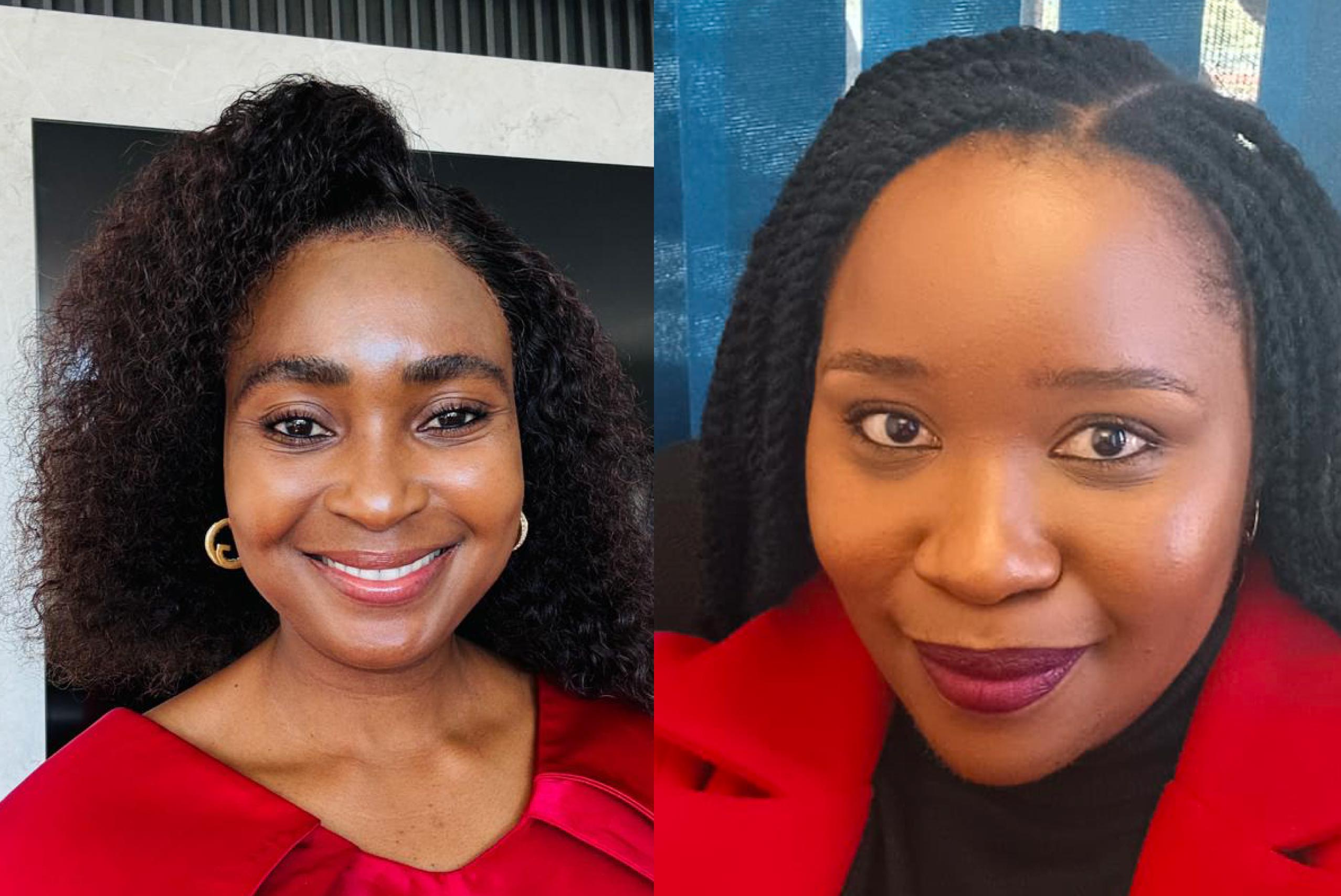
Written by: Mable Shayi and Naledi Selebano
The language of a “50/50 marriage” has become increasingly popular in contemporary discussions about relationships. At first glance, it appears to represent the very essence of equality of two individuals contributing equally to the growth and sustainability of a shared life. Yet beneath this seemingly straightforward principle lies a fundamental question about what exactly we are measuring when we speak about equality in marriage.
Too often, the notion of 50/50 is reduced to financial contribution. Equality is quantified through salaries, household bills, bond repayments, and monthly expenses. However, this narrow understanding overlooks a vast sphere of labour that remains largely invisible despite being indispensable to family life. The meals prepared, children nurtured, homes managed, birthdays remembered, emotional crises navigated, and relationships maintained constitute forms of work without which families would simply cease to function. Yet because this labour does not generate an income, it is frequently excluded from calculations of value.
This exclusion reflects a long-standing societal tendency to privilege paid labour over unpaid labour. Economies count wages and governments measure productivity. Markets assign monetary value to goods and services. But the countless hours spent caring, nurturing, organising, and sustaining households are rarely accorded the same recognition.
The consequences of this invisibility become evident within many marriages. A woman may work a full day in formal employment only to begin a second shift when she returns home. She prepares meals, supervises homework, attends to children’s needs, manages household routines, and often carries the emotional responsibility of ensuring the wellbeing of family members. Her contribution extends beyond the visible tasks of caregiving; it includes what researchers call the mental load, the constant planning, remembering, anticipating, and coordinating that keeps family life functioning smoothly.
The critical question, therefore, is not whether a marriage is mathematically divided into equal halves. Rather, it is whether the burdens and benefits of partnership are shared in ways that are just. Equality should not be confused with symmetry. Human relationships are not accounting exercises, nor are they spreadsheets designed to balance perfectly every day. A fixation with numerical equality risks obscuring the deeper ethical principle of fairness that should underpin marriage.
Fairness recognises that individuals contribute in different yet equally valuable ways. It acknowledges that relationships exist within changing social, economic, and personal circumstances. There are seasons in every marriage when one partner may contribute more financially while the other contributes more through caregiving and domestic responsibilities. At other times, those roles may shift entirely. Children are born, careers evolve, health challenges emerge, and family obligations expand. A resilient marriage is not one that rigidly enforces equal inputs at every moment but one that adapts with generosity, empathy, and mutual commitment.
This argument should not be interpreted as an endorsement of traditional gender roles. Indeed, genuine equality requires that men participate fully in domestic labour and caregiving responsibilities. The challenge is not merely to increase women’s participation in the public sphere; it is to ensure that men participate equally in the private sphere. Until domestic labour is shared more equitably, women’s economic empowerment will continue to coexist with disproportionate expectations within the home.
Ultimately, the debate about 50/50 marriages invites us to reconsider how we define value, contribution, and equality. If society continues to recognise only what can be measured in monetary terms, then many forms of labour, care, and sacrifice will remain invisible.
It is our view that a successful marriage is not one in which each partner contributes an identical 50 percent. Instead, it is one in which neither partner feels unseen, overburdened, or alone in carrying the weight of the relationship. Equality, at its deepest level, is not about dividing every task into perfect halves. It is about building a partnership rooted in shared responsibility, mutual care, and recognition of each other’s humanity. That is not merely a fair marriage, but a just one.